Podiatry billing that navigates routine foot care and surgical claims.
Podiatry sits at the intersection of routine foot-care coverage rules, diabetic documentation, DME, and foot/ankle surgery. ClinicBills applies class-finding logic and surgical coding so podiatry claims clear instead of stalling on “routine care not covered.”
Outcomes practices see
Routine-care acceptance lift
First-pass clean claims
Avg. days in A/R
Where podiatry billing breaks
- Routine foot-care denials without class findings
- Missing Q modifiers and diabetic documentation
- DME and surgical global confusion
What we focus on
- Routine foot-care coverage and class findings
- Debridement and nail procedure coding
- Diabetic foot documentation and modifiers
- Foot/ankle surgery and DME capture
Podiatry billing is famous for one painful phrase: routine foot care not covered. Sometimes that denial is correct. Often it means class findings, diabetic diagnoses, or Q modifiers never made the claim. Podiatry medical billing services that skip coverage logic waste everyone’s time — especially patients who needed medically necessary care. ClinicBills scrubs routine-care claims for coverage elements before submission and routes true non-covered services to honest self-pay estimates.
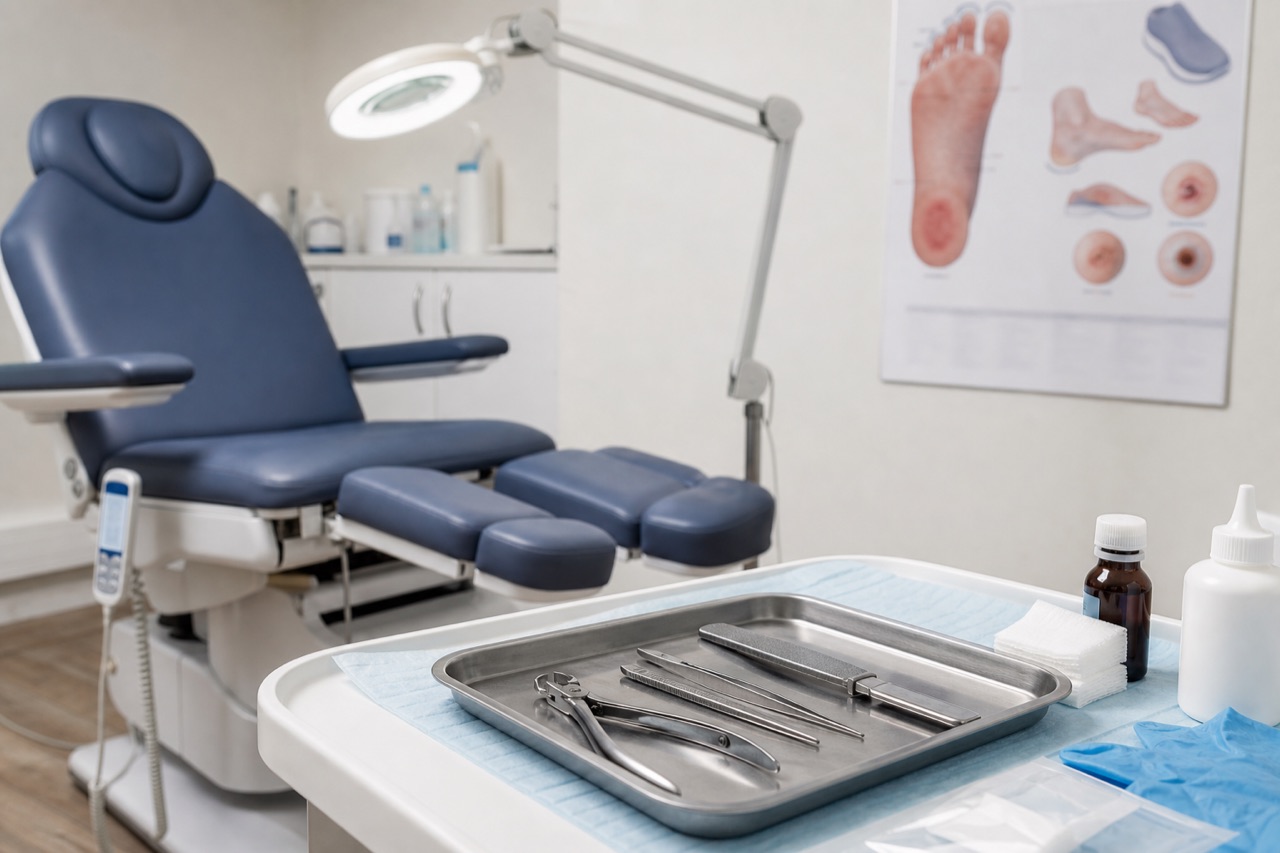
Routine foot care that is actually payable
Medicare and many commercials cover routine foot care only in specific clinical contexts — mycotic nails with pain or infection indicators, or care tied to systemic conditions with documented class findings. Billing nail debridement as if every trim is covered is how podiatry A/R fills with PR adjustments. We harden templates so required elements are present or the visit is correctly self-pay.
Q modifiers and attending-physician relationships matter when coverage depends on systemic disease managed by another clinician. We capture those relationships in structured fields so claims do not rely on tribal knowledge about “how this Medicare patient always bills.” When coverage fails honestly, we help your front desk explain self-pay before the procedure — not after a denial.
Debridement, ulcers, and wound pathways
Callus and ulcer debridement codes depend on depth and tissue removed. Wound care visits need consistent measurement and diagnosis specificity. We keep debridement claims from looking like cloned routine care by tying CPT selection to the note’s depth and site details.
Diabetic foot ulcers and post-operative wounds often involve serial debridement, offloading, and DME. Frequency and medical necessity are scrutinized. We maintain wound measurements across visits so each claim shows progression or ongoing need, and we avoid billing higher-depth debridement than the note supports. Coordination with primary-care diabetes coding keeps systemic diagnoses consistent across providers.
- Document class findings when billing routine care under exception rules.
- Apply Q modifiers when required for routine foot-care claims.
- Select debridement CPT by depth and tissue, not by habit.
- Separate non-covered routine services onto self-pay tickets up front.
- Reconcile boots, orthotics, and surgical shoes to the fitting note and coverage rules.
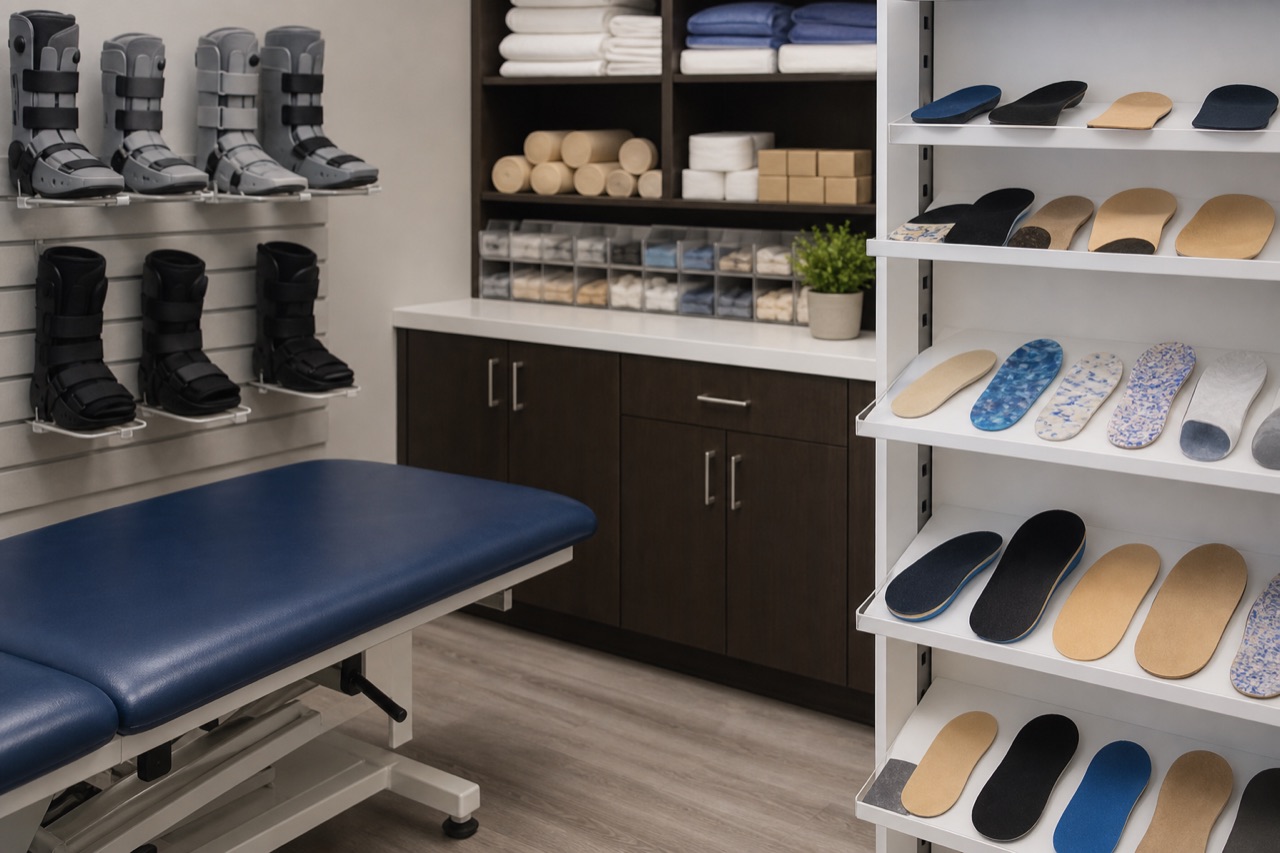
Surgery, globals, and DME
Bunion correction, hammertoe surgery, and soft-tissue procedures carry globals and laterality. Post-op visits need the same discipline as orthopedics. Boots, orthotics, and surgical shoes need coverage checks so patients are not surprised. Our podiatry workflows reconcile DME to the fitting note and keep surgical A/R distinct from high-volume nail clinics.
In-office procedures such as nail avulsion or soft-tissue excision should not inherit the same default modifiers as major OR cases. Prior authorization for orthotics, surgical procedures, and advanced wound products is verified before fittings and OR days whenever your top payers require it, with medical necessity narratives that match LCD language.
Example: a diabetic patient presents for painful mycotic nails with documented class findings. We bill the payable nail procedure with required modifiers and diagnoses, explain any non-covered extras as self-pay, and avoid a routine-care denial that should never have been submitted. Reporting separates nail clinic, wound, and surgical lanes so managers see where documentation coaching versus billing follow-up is needed. That coverage-first habit is what moves podiatry clean claims toward 97%+.
At-risk foot care programs work best when primary care, endocrinology, and podiatry share diagnosis language. We help your templates prompt for class findings and systemic diagnoses in a way clinicians will actually complete, because the most elegant coverage rule fails if the note never captures it. Documentation design is part of billing design in podiatry.
Custom orthotics and diabetic shoes sit at the intersection of medical necessity, supplier enrollment, and patient expectation. We verify which items are payable under your enrollment, which require separate DME suppliers, and which should be estimated as self-pay before casting or fitting begins. That triage prevents months of unpaid device claims that never had a path to payment.
Surgical podiatry months deserve implant, laterality, and global audits similar to orthopedic surgery. We do not let high-volume nail clinics distract from the high-dollar surgical claims that actually move practice margin. Separate workqueues make both lanes healthier.
Common questions
Do you understand Medicare routine foot-care rules?
Yes. We scrub for class findings, qualifying systemic diagnoses, and required modifiers before routine care claims go out.
Can you bill custom orthotics and DME?
We capture payable DME under your enrollment and keep non-covered devices on clear self-pay pathways.
Do you handle both office podiatry and surgical cases?
Yes. Office debridement, wound care, and surgical globals stay in structured lanes with the right follow-up rules.
Related services
End-to-End Revenue Cycle Management
From eligibility to ERA — one team, one accountable partner.
Learn moreMedical Coding (ICD-10 / CPT / HCPCS)
AAPC-certified coders. Modifier-perfect. Audit-ready every day.
Learn morePatient Statements & Collections
Empathetic, compliant, effective. Patients shouldn't dread the mail.
Learn more