Ophthalmology billing that gets eye codes, diagnostics, and globals right.
Eye care straddles ophthalmology visit codes, medical E&M, diagnostic testing, and surgical globals. ClinicBills keeps OCT, visual fields, cataract pathways, and bilateral rules aligned so optical and medical revenue do not contaminate each other.
Outcomes practices see
Diagnostic clean-claim rate
Bilateral claim accuracy
Avg. days in A/R
Where ophthalmology billing breaks
- Eye codes vs medical E&M selection errors
- Diagnostic testing frequency denials
- Bilateral and global cataract mistakes
What we focus on
- 92002–92014 vs 99202–99215 decisioning
- OCT, fields, and fundus photography rules
- Cataract and minor procedure globals
- Medical vs vision-plan coordination
Ophthalmology billing has its own dialect. Eye visit codes (92002–92014) are not automatically “better” or “worse” than medical E&M — they have to match the work and the payer’s preference. Add OCT, visual fields, cataract surgery, and bilateral same-day work, and a generalist biller will guess. Guessing in ophthalmology is expensive. ClinicBills staffs eye-care charge review so optical retail, vision-plan refraction, and medical ophthalmology claims stay on separate, policy-aware tracks.

Eye codes versus medical E&M
Comprehensive and intermediate eye codes assume specific exam elements. Medical E&M follows MDM or time. Some plans prefer one family for medical disease management; others accept either when documentation fits. Cloning 92014 for every glaucoma follow-up without the required elements is an audit gift. We teach charge capture to pick the family that the note actually supports.
New versus established patient status still trips up multi-location eye groups when patients bounce between optometry and ophthalmology under related taxonomies. We clarify your organizational NPI structure so “new” is not overused across shared medical records. That single operational fix prevents a quiet stream of downcodes and refunds that never show up in a denial report.
Diagnostics: OCT, fields, and photography
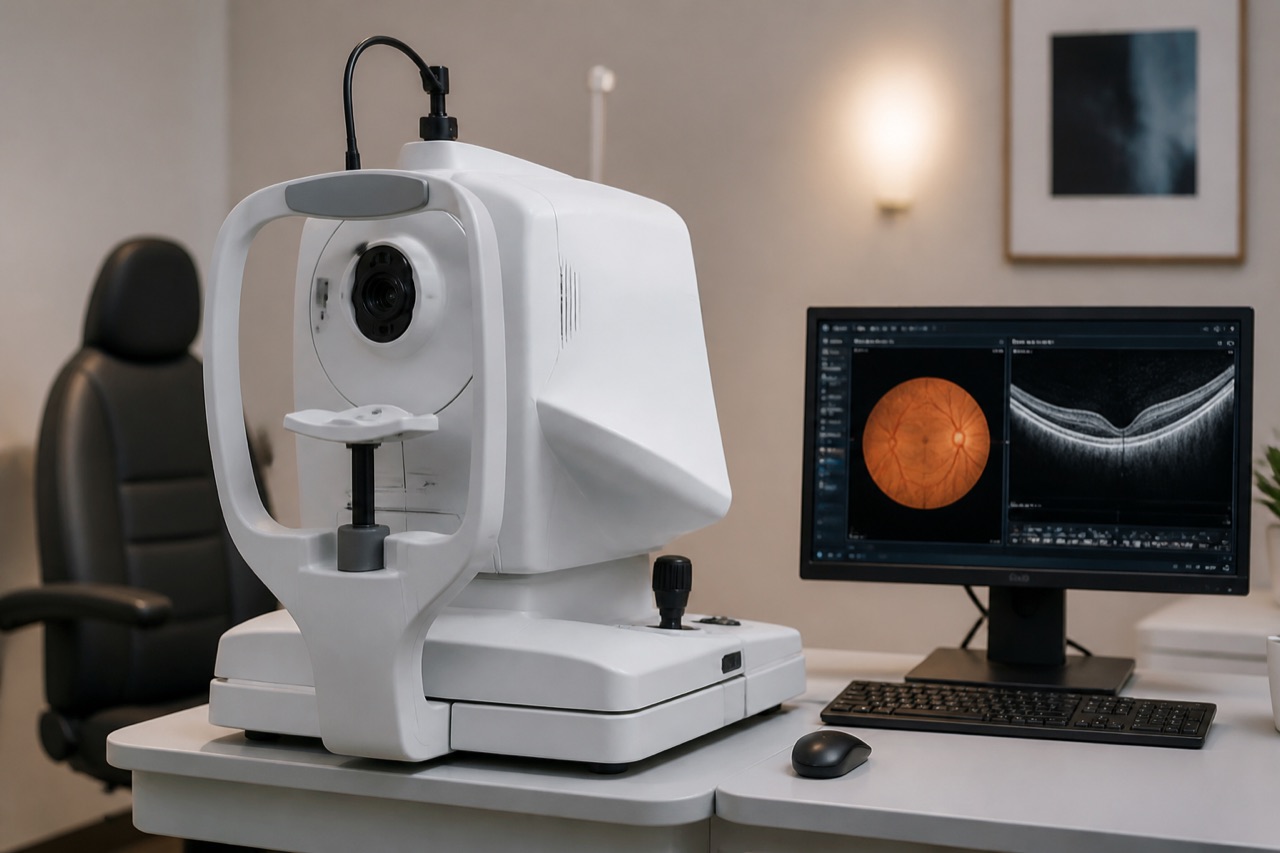
Retinal OCT, optic-nerve OCT, visual fields, and fundus photography each carry diagnosis and frequency expectations. Billing a field and an OCT every visit “to be thorough” trips utilization edits. We map your top diagnostic CPTs to LCD language and glaucoma/retina diagnosis sets so medical necessity is visible on the claim.
Same-day testing plus a visit requires bundling awareness. Some payers expect modifiers only when the visit is truly separate; others bundle certain technical services into broader surgical or medical packages. We do not unbundle by reflex. We unbundle when documentation and policy support it — and we leave the test alone when the visit is the only payable story that day.
- Choose 920x eye codes only when exam elements are documented.
- Use medical E&M when the visit is MDM-driven disease management without a full eye-code exam.
- Apply bilateral modifiers correctly — do not bill two unilateral lines when one bilateral code is required.
- Keep refraction and optical materials off medical claims unless policy truly covers them.
- Scrub OCT and visual-field frequency against diagnosis and prior testing dates before submission.
Surgery days and injection clinics
Cataract, lids, and in-office procedures need auth when required and clean laterality. Retina injection clinics need drug units, wastage rules where applicable, and diagnosis specificity. Our ophthalmology medical billing workflows separate optical retail, vision-plan refraction, and medical claims so patient statements stop blending a glasses balance with a medical OCT copay.
Intravitreal injection days are high volume and high scrutiny. Drug HCPCS, laterality, and diagnosis must match the injection log. When a drug is discarded, wastage documentation has to be contemporaneous. We reconcile chair-side injection logs to claims the same day so a busy retina clinic does not discover unit mismatches at month-end when inventory and remittances no longer match.
Vision routing, auth, and underpayments
Vision-plan versus medical-plan routing is a daily operational decision. Refraction and optical materials stay on vision or self-pay tickets unless a medical policy truly covers them. Prior authorization for cataract surgery, certain lasers, and advanced imaging is embedded into surgical and retina scheduling so a booked OR day is not dependent on a last-minute portal surprise.

When a bilateral visual field is denied for “invalid modifier,” the fix is rarely another appeal letter — it is a charge-entry rule. Monthly contract-versus-allowed reviews on cataract, injection, and diagnostic codes keep fee schedules honest. That is how diagnostic clean-claim rates stay near 97%+ in a testing-heavy eye practice, and how an ophthalmology medical billing company proves it understands eye care beyond generic E&M templates.
Glaucoma and retina clinics create longitudinal testing patterns that payers profile aggressively. We maintain prior-test date awareness in scrubbing so an OCT ordered “because the patient is here” does not collide with frequency edits that were predictable from the chart. When a test is clinically necessary earlier than the usual interval, the note and diagnosis must say why — and we make sure the claim carries that why.
Surgical coordinators and billing teams share one cataract checklist covering biometry, IOL selection documentation, auth, and global education for patients. That shared checklist prevents the classic failure mode where clinical prep is perfect and the financial episode still fractures across three people who each assumed someone else owned the claim details.
Common questions
Do you bill vision plans and medical insurance?
We focus on medical ophthalmology claims and help you keep vision-plan refraction and materials on the correct ticket so medical claims stay clean.
Can you handle retina diagnostic volume?
Yes. OCT and injection clinics get frequency and diagnosis scrubbing tuned to retina payer policies.
How do you handle same-day testing and visits?
We check bundling and modifier rules so tests and visits are only unbundled when documentation and policy support it.
Related services
Medical Coding (ICD-10 / CPT / HCPCS)
AAPC-certified coders. Modifier-perfect. Audit-ready every day.
Learn moreDenial Management & Appeals
Every denial worked within 24 hours. No exceptions.
Learn morePatient Statements & Collections
Empathetic, compliant, effective. Patients shouldn't dread the mail.
Learn more