OB/GYN billing that keeps maternity globals and office GYN clean.
OB/GYN revenue spans global maternity packages, antepartum ultrasounds, gynecologic surgery, and preventive visits. ClinicBills tracks delivery dating, antepartum billing splits, and ultrasound medical necessity so maternity claims do not unravel after the baby arrives.
Outcomes practices see
Maternity claim acceptance
Ultrasound denial turnaround
Avg. days in A/R
Where ob/gyn billing breaks
- Broken maternity globals and antepartum splits
- Ultrasound frequency and medical-necessity denials
- Postpartum and preventive coding mix-ups
What we focus on
- Global obstetric packages and antepartum-only billing
- Obstetric ultrasound coding and diagnoses
- Gynecologic surgery and hysteroscopy pathways
- Preventive well-woman vs problem visits
Maternity billing is a calendar problem as much as a coding problem. Start the global on the wrong date, lose track of who delivered, or bill a routine ultrasound without a payable diagnosis, and you will still be arguing with the payer after the six-week postpartum visit. OB/GYN medical billing services that treat every pregnancy like a generic office episode quietly leak antepartum and delivery revenue all year. ClinicBills tracks EDD, visit counts, delivery responsibility, and ultrasound indications as structured fields — not as sticky notes on a nurse’s monitor.

Global maternity packages without the post-delivery scramble
Global obstetric codes package routine antepartum care, delivery, and postpartum when your group provides the whole arc. When care is split — your practice does antepartum, another group delivers — you need antepartum-only pathways and accurate visit counts, not a full global “because that’s what we always bill.” We record EDD, delivery date, and delivering provider at claim build so postpartum E&Ms do not bounce as duplicate globals.
Transfer-in and transfer-out pregnancies are where maternity billing usually breaks. A patient who arrives at 28 weeks with eight visits elsewhere cannot be billed as if your group delivered the entire prenatal package. Likewise, when your physicians provide early antepartum care and then hand off delivery, the antepartum-only code selection and visit tally have to match the chart. We reconcile outside records and your encounter count before the claim files so you are not reconstructing the pregnancy from memory after discharge.
Ultrasounds that survive medical-necessity edits
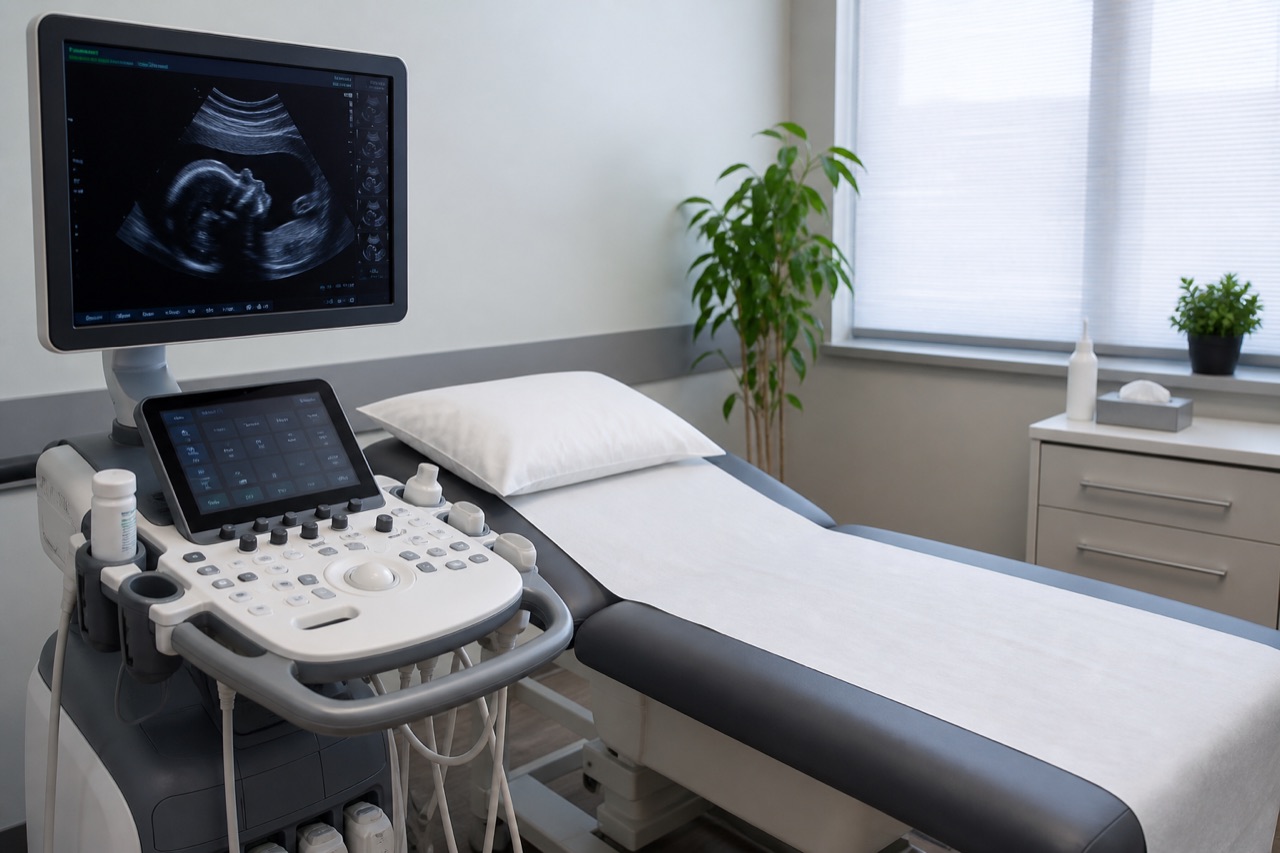
Obstetric ultrasound coding hinges on trimester, complete vs limited, and whether the indication supports the study. Screening anatomy scans and indicated follow-ups are not interchangeable. Payers watch frequency. We attach diagnoses that match the note — suspected growth restriction, prior anomalies, maternal conditions — instead of a vague “pregnancy” code that invites automatic denial.
MFM referrals add another layer: detailed fetal anatomy, Doppler studies, and serial growth ultrasounds need documentation that shows why the community practice could not answer the clinical question alone. We keep those claims from looking like duplicated screening exams by aligning CPT selection with the referral reason and the report’s findings. When your group both orders and interprets, we confirm professional versus global billing matches the equipment setting.
- Decide global vs antepartum-only before the third trimester, not after delivery.
- Document who is responsible for delivery and postpartum in the chart.
- Match ultrasound CPT to indication and trimester; do not clone the anatomy-scan code.
- Separate well-woman preventive visits from problem-oriented gyn E&Ms with real documentation.
- Track postpartum dating against the delivery claim so routine visits are not double-billed outside the package.
Office GYN and surgery alongside maternity
Colposcopy, hysteroscopy, LEEP, and major gyn surgery run on different auth and global rules than maternity. Mixing those tickets into the OB workqueue delays payment and confuses patient statements about what was obstetric versus gynecologic. Our lanes keep maternity packages, office procedures, and surgical cases separate while still giving you one practice-level dashboard.
Preventive well-woman visits deserve the same care. When a problem is addressed during a preventive encounter, documentation and coding have to show both services honestly — not a cloned preventive note with a problem CPT stapled on. We coach templates so pap, counseling, and problem MDM can coexist without inviting downcoding or duplicate denials.
Auth, estimates, and underpayments
Prior authorization for gynecologic surgery, certain ultrasounds, and in-office procedures belongs in the same operational discipline as maternity dating. We track auth expiration beside the surgical schedule and maternity calendar so a hysteroscopy day does not collide with an unmarked expired approval. Patient financial communications explain global packages in plain language before surprise statements arrive.

A practical example: a patient transfers in at 28 weeks after eight visits elsewhere. We bill antepartum care based on visits your clinicians actually provide, coordinate delivery billing with the hospital group, and keep ultrasound claims tied to documented indications. Monthly allowed-versus-contract checks on delivery and major gyn surgery codes catch silent fee-schedule drift. That clarity is what pushes maternity acceptance toward 97%+ instead of a pile of corrected claims after every birth month.
Women’s health practices evaluating OB/GYN medical billing services should ask how transfer pregnancies, ultrasound frequency edits, and postpartum globals are handled in the first ninety days — not only how fast claims are submitted. ClinicBills designs maternity and gyn lanes so those edge cases are routine operations, not monthly fire drills.
Common questions
What if our group only provides antepartum care?
We bill antepartum-only codes correctly and leave the delivery package to the delivering group — with clean dating and visit counts.
Do you handle both OB and GYN surgery?
Yes. Maternity globals and gyn surgical claims stay in separate workflows so postpartum visits do not collide with unrelated procedures.
Can you support MFM ultrasound referrals?
We code obstetric ultrasounds to the documented indication and coordinate with your MFM referral patterns so frequency limits do not surprise you.
Related services
End-to-End Revenue Cycle Management
From eligibility to ERA — one team, one accountable partner.
Learn moreMedical Coding (ICD-10 / CPT / HCPCS)
AAPC-certified coders. Modifier-perfect. Audit-ready every day.
Learn moreProvider Credentialing & Enrollment
Onboarding new providers shouldn't take six months.
Learn more