GI billing that handles endoscopy, screening conversion, and pathology.
Gastroenterology claims hinge on endoscopy families, screening-to-diagnostic conversion, anesthesia, and pathology timing. ClinicBills keeps colonoscopy and EGD coding aligned with NCCI and payer screening rules so GI days post clean the first time.
Outcomes practices see
Endoscopy clean-claim rate
Screening conversion accuracy
Avg. days in A/R
Where gastroenterology billing breaks
- Screening vs diagnostic colonoscopy coding errors
- Same-session endoscopy bundling denials
- Pathology and anesthesia charge timing gaps
What we focus on
- Colonoscopy and EGD code selection
- Screening-to-diagnostic conversion modifiers
- Anesthesia and moderate sedation rules
- Pathology capture synchronized to procedure date
A GI procedure day can look identical clinically and still need three different billing stories: pure screening, screening converted to diagnostic, or a planned diagnostic exam. Add anesthesia, biopsies, and snare polypectomy, and the claim becomes a bundling puzzle. Gastroenterology medical billing that ignores screening rules creates patient surprise balances — the fastest way to fill your phone lines after a “routine” colonoscopy. ClinicBills encodes screening intent at scheduling and finalizes CPT from the operative note so those stories stay coherent.
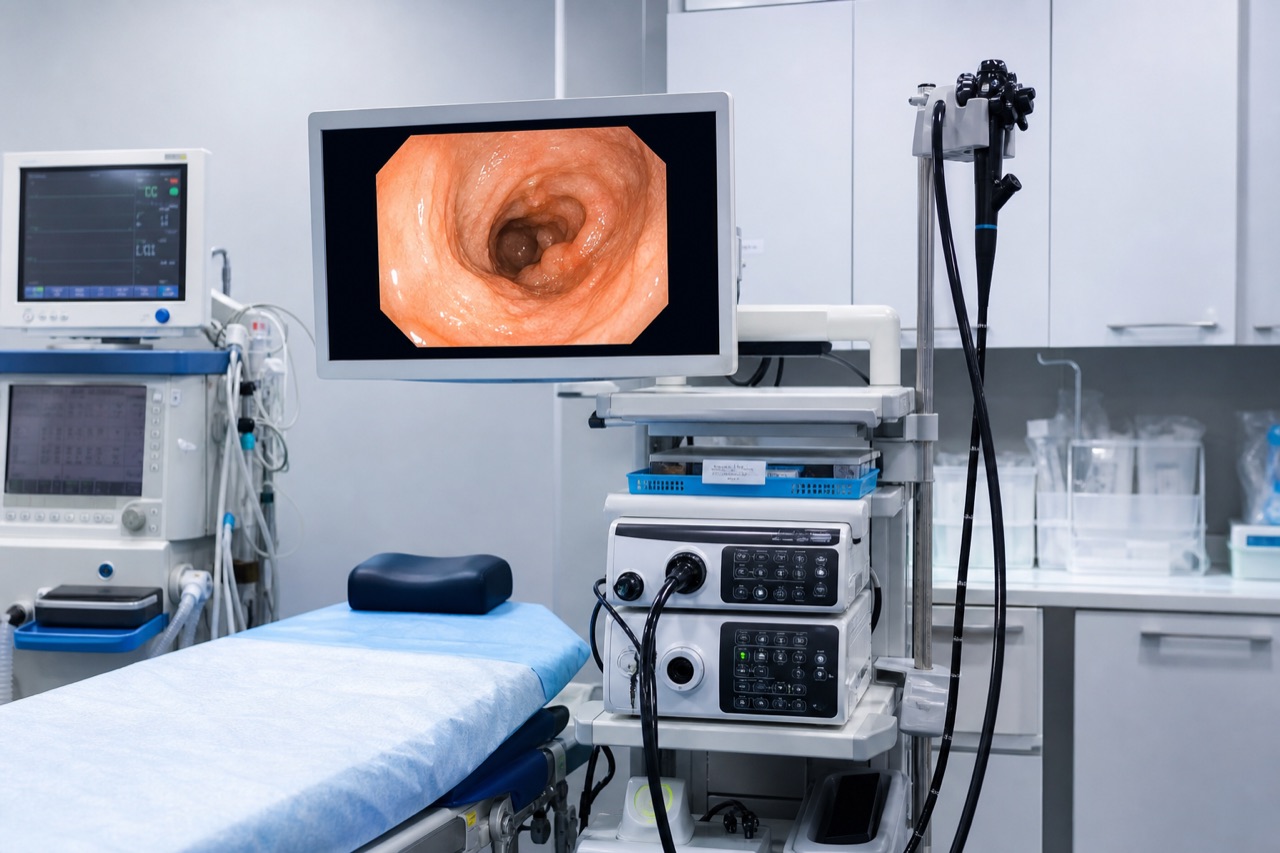
Colonoscopy families and screening conversion
Screening colonoscopy coding changes when a polyp is removed or a biopsy is taken. Payers differ on modifiers and whether the claim remains preventive for the patient’s benefit design. Getting this wrong either denies the claim or shifts an unexpected balance to the patient. We maintain payer-specific conversion rules and teach schedulers to capture “screening intent” at booking while coders finalize based on the op note.
High-risk screening and surveillance after prior polyps or cancer use different diagnosis logic than average-risk screening. Frequency limits also differ. We keep surveillance claims from looking like premature repeat screenings by documenting the prior findings and the guideline-based interval your physician used. That clinical context belongs on the claim and in the appeal packet if a payer still challenges medical necessity.
EGD, enteroscopy, and same-session work
Upper endoscopy code selection depends on whether interventions were performed. Same-session EGD and colonoscopy trigger NCCI edits that require careful modifier use only when truly separate. Blindly appending 59 to every double-scope day is how GI groups get audited. We review same-day combinations against current edits before submission.
ERCP and advanced therapeutic endoscopy add device, stent, and sphincterotomy coding that generalist billers rarely see. Incomplete procedures, failed cannulation, and converted approaches need honest CPT selection — not the highest code in the family. We read the endoscopy report for what was actually accomplished and bill that story, then follow denials with report excerpts rather than generic letters.
- Document screening intent in the order and confirm findings in the op note.
- Select colonoscopy CPT by intervention performed, not by the scheduler’s placeholder.
- Bill anesthesia or moderate sedation only when supported and not bundled by payer policy.
- Drop pathology charges when results post — do not freeze the entire procedure claim for two weeks.
- Coordinate professional and facility screening diagnoses so patient benefits calculate consistently.
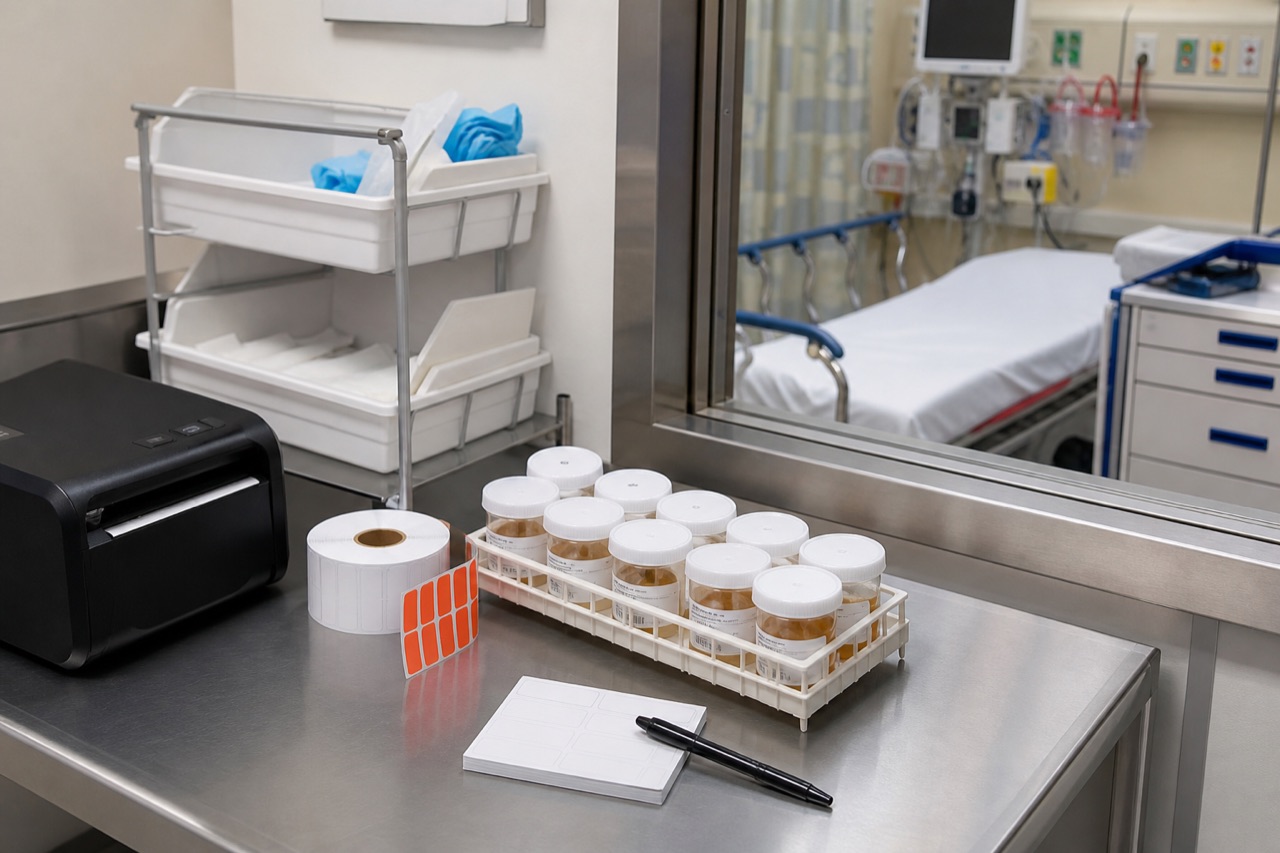
Anesthesia and the professional claim
Whether anesthesia is billed by your group, a CRNA group, or included in a facility arrangement changes scrubbing. We keep GI professional procedure codes from colliding with anesthesia claims and make sure diagnosis pointers support medical necessity for monitored anesthesia care when payers ask. Moderate sedation documentation, when billable, must show who provided it and that time thresholds were met.
Pathology timing without A/R paralysis
Holding an entire colonoscopy claim until pathology returns can push clean cases into aged A/R for no reason. When policy allows, we release the procedure claim and add professional pathology when signed. When a payer requires linked submission, we track the specimen so nothing is forgotten. Open-access programs get documentation coaching so indications remain visible and screening intent stays explicit.
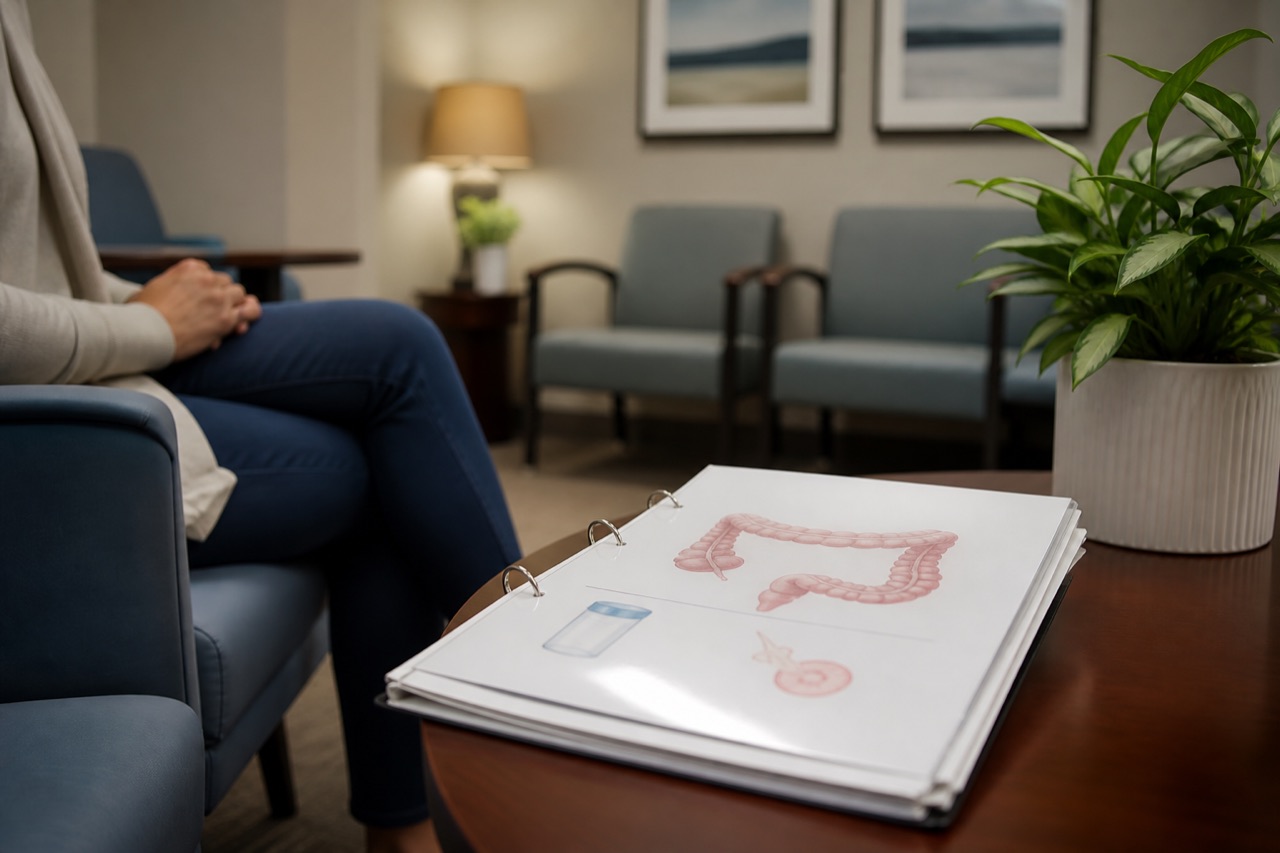
Practical example: screening colonoscopy finds two polyps removed by snare. We convert coding per the payer’s rule set, attach the right modifiers, bill the procedure promptly, and release pathology when signed. Device details for clips, stents, dilation, and ablation are captured from the report the same day. That sequence keeps endoscopy clean-claim rates near 97%+ and prevents the “why do I owe this on a free screening?” spiral.
Denial trends in GI often cluster around medical necessity, bundling, and screening conversion modifiers. We report those clusters monthly with payer-specific fixes so physicians see which documentation habits are costing the practice — not only which CPT volumes look busy.
Hospital and ASC partnerships add another coordination burden: professional and facility claims must not contradict each other on screening versus diagnostic intent. We align diagnosis pointers and conversion modifiers with your facility partners whenever possible so patients do not receive two incompatible explanations of the same procedure day. That coordination is unglamorous and worth more than any after-the-fact goodwill letter.
We also review incomplete colonoscopy documentation carefully. Reach, prep quality, and reason for incompletion change coding and sometimes medical necessity. Honest incomplete-procedure coding protects compliance and still collects what was performed, instead of forcing a complete-exam code that the report cannot support.
Common questions
Do you coordinate with the ASC or hospital facility bill?
Yes. Professional GI coding stays consistent with facility charges so screening diagnosis and modifiers do not conflict.
How do you handle polyps found during screening?
We apply the conversion and modifier rules your major payers require so preventive benefits and diagnostic coding both land correctly.
Can you bill in-house or reference lab pathology?
We capture professional pathology when you interpret and coordinate technical billing with your lab workflow so claims are not held for weeks.
Related services
End-to-End Revenue Cycle Management
From eligibility to ERA — one team, one accountable partner.
Learn moreMedical Coding (ICD-10 / CPT / HCPCS)
AAPC-certified coders. Modifier-perfect. Audit-ready every day.
Learn moreDenial Management & Appeals
Every denial worked within 24 hours. No exceptions.
Learn more