Dental billing that respects CDT, dental payers, and true medical cross-coding.
Dental revenue runs on CDT codes, dental payer contracts, predeterminations, and careful coordination of benefits — with medical cross-coding only when clinical reality supports it. ClinicBills helps dental practices keep dental claims clean without forcing everything through medical by default.
Outcomes practices see
Dental claim acceptance
Predetermination turnaround tracking
COB leakage reduction
Where dental billing breaks
- CDT coding and dental fee-schedule underpayments
- Predetermination and frequency-limitation denials
- Inappropriate or incomplete medical cross-coding
What we focus on
- CDT coding and dental claim scrubbing
- Predeterminations and frequency limitations
- Coordination of benefits across dental plans
- Legitimate medical cross-coding when indicated
Dental billing is not “medical billing with different codes.” It runs on CDT, dental payer contracts, frequency limitations, missing-tooth clauses, and predeterminations. Medical cross-coding is a specialized lane for specific clinical situations — not a shortcut to bypass dental benefits. Dental billing services that blur those worlds create denials on both sides. ClinicBills keeps CDT workflows primary and opens a medical pathway only when clinical reality and enrollment support it.
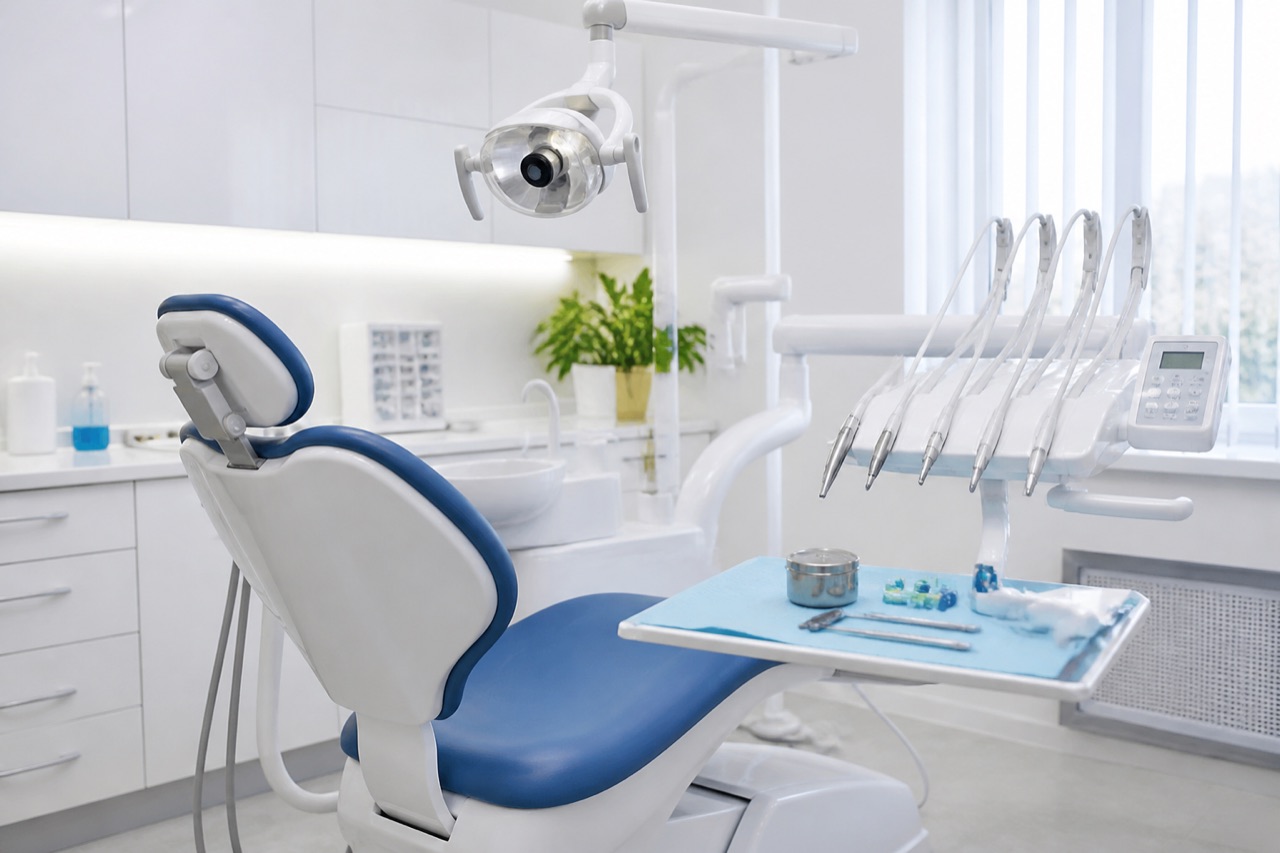
CDT accuracy and dental fee schedules
Restorative, perio, endo, oral surgery, and prosthodontic CDT codes must match the clinical narrative and tooth/surface detail payers expect. Downcoding and bundling behaviors differ by PPO. We scrub attachments — perio charts, narratives, X-rays — so major claims do not bounce for missing documentation you already have in the chart.
Fee-schedule posting matters as much as code selection. PPO contractual write-offs should not inflate A/R as if they were patient balances. We post adjustments correctly so production and collection ratios reflect reality. Underpayments against contracted dental allowances get the same attention medical underpayments deserve — quiet fee-schedule drift is still lost revenue.
Predeterminations, frequencies, and COB
Crowns, perio surgery, and ortho-related work often need predetermination. Frequency limitations on prophys, bitewings, and fluoride are classic patient-balance generators when nobody checked benefits. Coordination of benefits between two dental plans needs a deliberate primary/secondary order. We track COB so secondary balances do not age as if they were primary denials.
Annual maximums and missing-tooth clauses change treatment-plan conversations. We surface benefit limits before chair time whenever major work is planned so patients can choose sequencing knowingly. Attachment discipline — perio charting, crown narratives, and radiographs with the original claim — prevents the slow death of pending attachments.
- Build dental claims with tooth numbers, surfaces, and required narratives.
- Submit predeterminations before major treatment when the plan expects them.
- Explain frequency limitations to patients before the visit becomes a surprise bill.
- Use medical cross-coding only with medical CPT/ICD documentation and payer pathway — never CDT-on-medical improvisation.
- Post PPO contractual adjustments cleanly so A/R is not inflated by phantom balances.
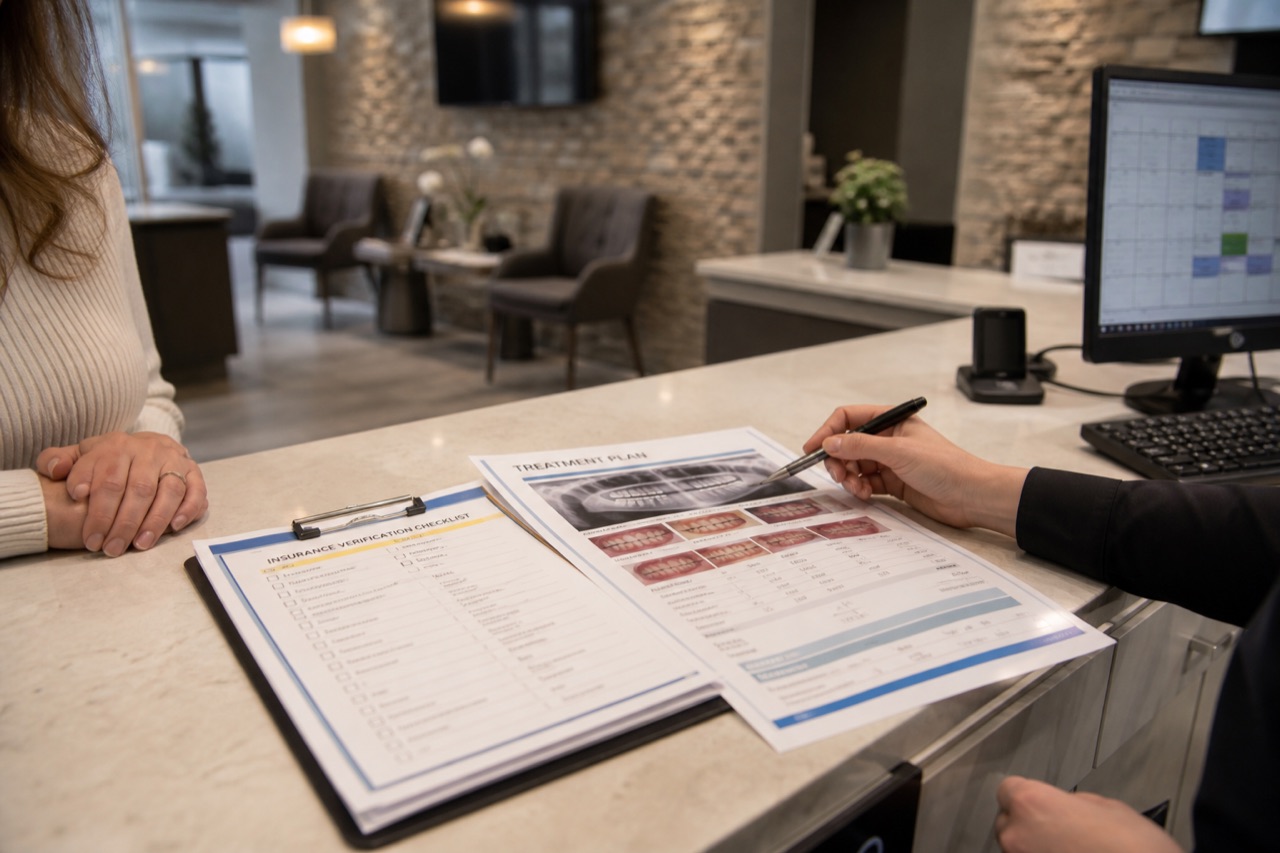
When medical cross-coding is legitimate
Facial trauma repairs, pathology-driven oral surgery, hospital-based procedures, and certain sleep-appliance pathways can be medical services. Those cases need medical CPT/ICD coding, medical claim forms, and documentation that speaks medical necessity — not a CDT code pasted onto a CMS-1500. We open that lane deliberately, verify medical enrollment, and keep the dental claim from fighting the medical claim for the same dollars incorrectly.
AR that matches dental reality
Dental AR includes small patient portions, pending secondaries, and delayed predetermination answers. Statements should separate insurance adjustment from true patient responsibility in plain language. Ortho and prosthodontic sequencing often spans months and dual benefits; we track remaining maximums so later stages are not billed into an exhausted annual benefit without a patient conversation.
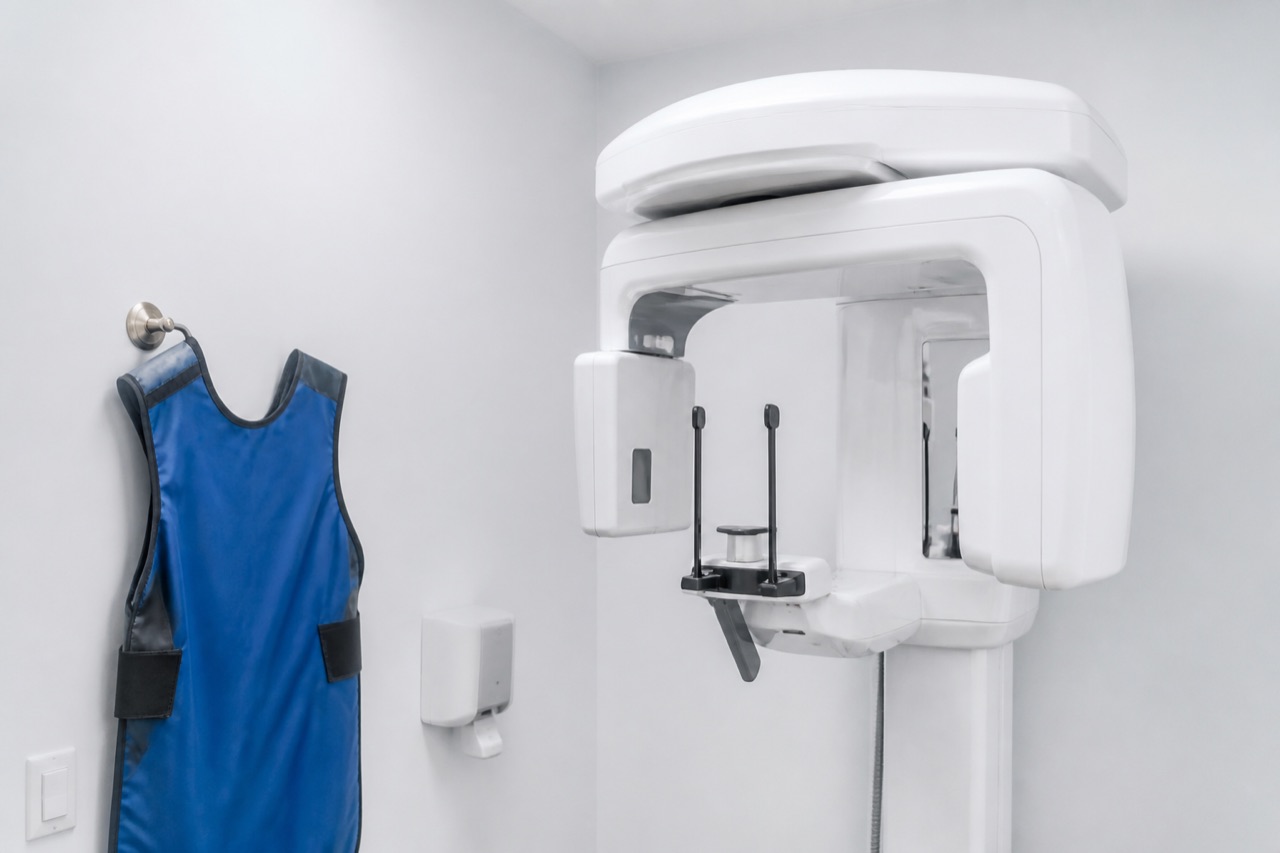
Example: a patient needs two crowns and has dual dental coverage. We verify frequencies and annual maximums, submit predetermination, explain estimated patient portion, bill primary CDT claims with radiographs and narratives, then work secondary COB. If a medical trauma case appears later that week, it follows a separate medical pathway — not a copied dental claim. That separation is how dental billing stays clean and trustworthy.
When evaluating dental billing services, ask how COB, predetermination aging, and medical cross-coding governance work day to day. Clinics that only measure claim submission speed still drown in secondary balances and inappropriate medical attempts. ClinicBills measures dental A/R by claim type so the work matches dental reality.
Narrative quality separates payable major services from endless pending statuses. A crown narrative that restates the CDT description helps nobody; a narrative that explains decay extent, existing restoration failure, and symptoms gives reviewers what they need. We coach narrative patterns by procedure family so attachments are clinically useful, not boilerplate.
Patient financing and insurance estimation have to work together. When a treatment plan spans multiple visits and dual coverage, we refresh remaining maximums before each major stage so the estimate the patient heard in January still matches reality in April. Out-of-date estimates are one of the fastest ways dental offices lose trust.
Compliance boundaries around medical cross-coding are reviewed with your doctors, not only your billers. Everyone should know which case types may go medical and which must stay dental. That shared policy prevents well-intentioned front-desk experiments that create payer disputes and chart risk.
Common questions
Do you replace our dental practice-management billing entirely?
We can run end-to-end dental billing workflows or augment your team on AR, COB, and medical cross-coding cases.
When should a dental case go to medical insurance?
When the service is truly medical in nature — trauma, pathology, certain surgeries, sleep appliances under medical policy — with medical coding and documentation, not a CDT code pasted onto a medical claim.
Can you handle PPO write-offs and UCR fee schedules?
Yes. We post contractual adjustments correctly so production reports are not inflated by phantom AR.
Do you submit predeterminations?
We track and submit predeterminations for major treatment plans so patients know benefits before chair time.
Related services
End-to-End Revenue Cycle Management
From eligibility to ERA — one team, one accountable partner.
Learn moreA/R Recovery & Old Claim Cleanup
Old claims aren't lost — they're just waiting for someone to call.
Learn morePatient Statements & Collections
Empathetic, compliant, effective. Patients shouldn't dread the mail.
Learn more